June 18, 2026
Effective waste management is an essential aspect of sustainable living, ensuring the cleanliness and health of communities and the environment. Septic systems play a vital role in this landscape, offering a decentralized solution that responsibly handles wastewater from residential and commercial properties. This article explores the multifaceted advantages of septic system installation, from environmental and economic benefits to cutting-edge innovations that promise to shape the future of waste management.
Understanding Septic Systems
Definition and Purpose
A septic system is an underground structure designed to treat wastewater from home plumbing produced by bathrooms, kitchen drains, and laundry. Consisting primarily of a septic tank and a drainfield, these systems facilitate the decomposing of organic matter in a controlled environment. The purpose of a septic system is to manage wastewater locally, reducing the need for extensive sewer networks or treatment facilities. By treating waste on-site, septic systems help to alleviate the burden on centralized sewer systems and contribute to sustaining ecological balance. This decentralized approach offers convenience and efficiency, setting the groundwork for a practical waste disposal solution for homes outside urban areas.
Components of a Septic System
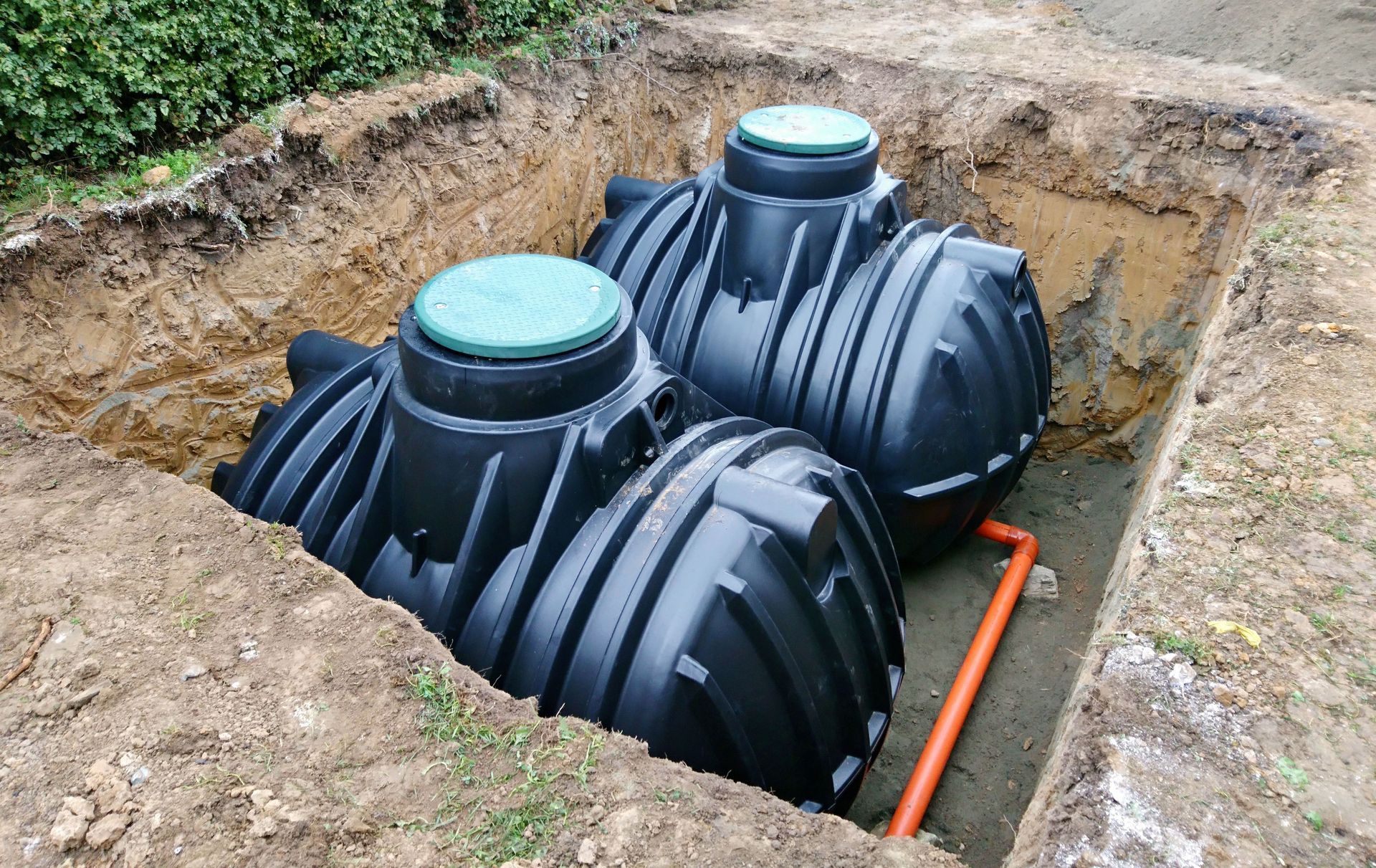
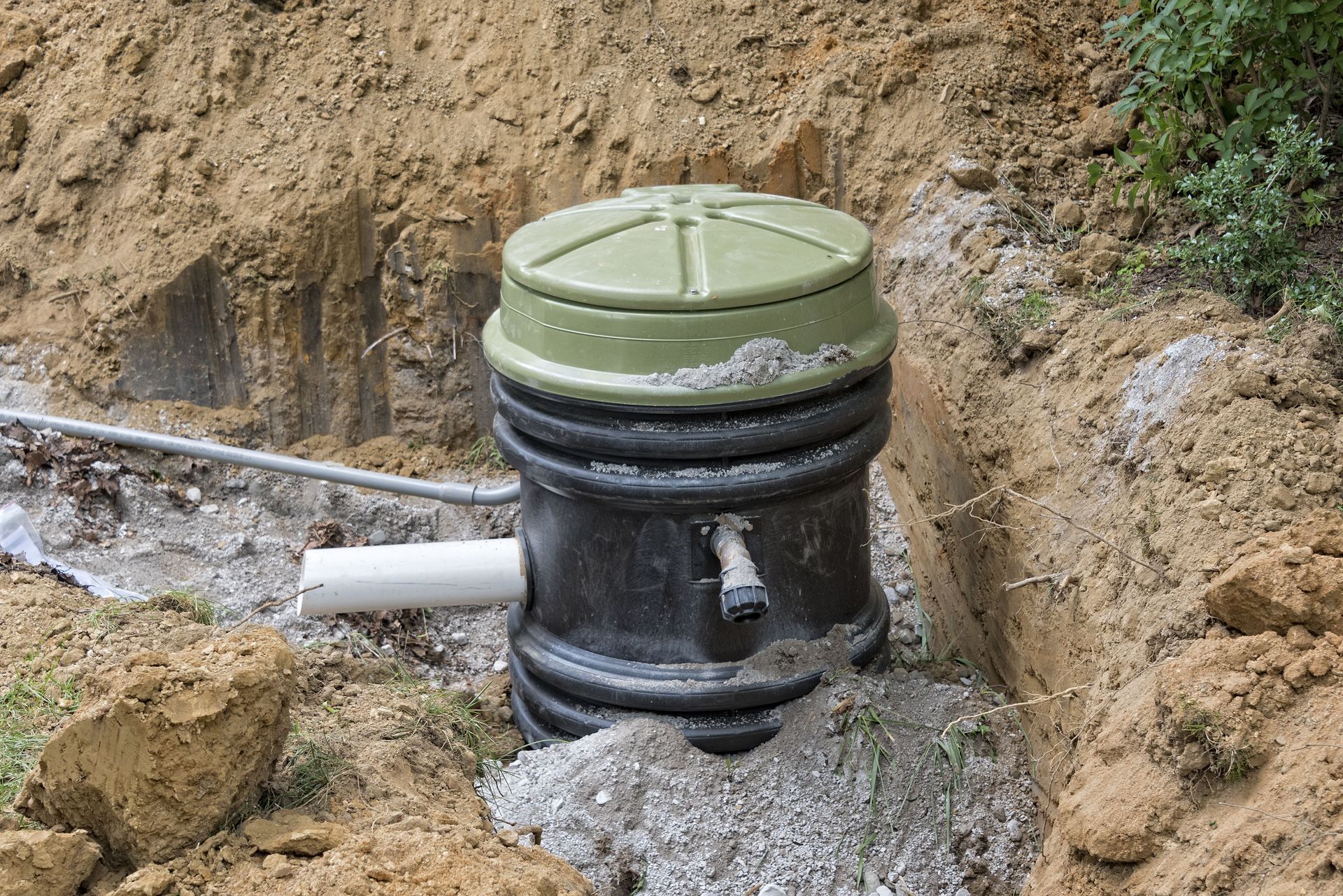
The critical components of a septic system are the septic tank and the drainfield. The septic tank, typically made of concrete, fiberglass, or plastic, is a buried watertight container that holds wastewater long enough to allow solids to settle and form sludge, while oil and grease float to the surface as scum. According to the U.S. EPA, the wastewater purification cycle typically happens in two main phases, starting with solid matter settling out inside the main tank and finishing with the soil naturally filtering the liquid in the drainfield. The drainfield, alternatively, consists of a series of trenches lined with gravel or sand, where wastewater is further purified as it percolates through the soil. Together, these components work harmoniously to deliver a sanitary, environmentally safe wastewater disposal solution.
Types of Septic Systems
Several types of septic systems cater to different property sizes, soil types, and topographies. The most common type is the conventional septic system, which utilizes a simple tank and drainfield. Alternative systems, such as aerobic treatment units, sand filters, and evapotranspiration systems, are employed when site conditions are unfavorable for conventional systems. These alternatives often incorporate additional components and processes, such as mechanical aeration and advanced filtration, to enhance treatment effectiveness. Understanding the different types of septic systems is crucial in selecting the most suitable option for a specific location and ensuring optimal performance.
Analyzing Economic Impact
Effect on Property Value
The presence of a well-functioning septic system can have a positive effect on property value, particularly in rural or suburban areas where municipal sewage systems are inaccessible. Homebuyers often view septic systems as cost-effective alternatives to public utilities, given the potential savings in sewer expenses. Additionally, some environmentally conscious buyers may appreciate the reduced environmental impact of these systems. As a result, properties equipped with modern, compliant septic systems can attract competitive offers, positively influencing the resale value. Investing in a high-quality septic system, therefore, not only ensures efficient waste management but can also deliver economic benefits when selling a property.
Regulatory Incentives and Rebates
Many government agencies offer regulatory incentives and rebates to encourage the installation and proper maintenance of septic systems. These incentives often aim to promote environmentally sustainable practices, given the water quality and ecosystem preservation benefits of septic systems. Homeowners who upgrade to advanced or eco-friendly septic systems may qualify for rebates that offset installation costs. Additionally, regulatory incentives can include property tax reductions or reduced permitting fees for new installations or improvements. These financial supports make investing in septic systems more accessible and attractive, aligning economic and environmental goals.
Community Economic Benefits
Septic systems can yield broader economic benefits by facilitating sustainable community development. In rural areas, where access to centralized sewage systems is limited, septic systems enable the expansion of affordable housing and businesses. By providing effective wastewater management solutions, they support economic growth without the need for extensive infrastructure investments. Furthermore, septic system installation and maintenance create jobs, contributing to local economies. These advantages highlight the role septic systems play in fostering community resilience and sustainable economic development.
Designing and Installing Septic Systems
Site Assessment and Analysis
The design and installation of a septic system begin with a comprehensive site assessment to determine the most appropriate system type and configuration. Critical factors considered during this process include soil type, topography, groundwater levels, and property size. Soil testing is essential to confirm the soil's capacity to adequately filter and absorb effluent in the drainfield. By conducting a thorough analysis, engineers and designers can tailor septic solutions to the unique characteristics of the site, ensuring reliable performance. Proper planning during the site assessment phase sets the foundation for a successful septic system installation.
Installation Procedures and Best Practices
Adhering to best practices during septic system installation is essential for achieving optimal performance and environmental protection. Professional installers follow standardized procedures for excavation, tank placement, and drainfield construction to ensure regulatory compliance and system reliability. Careful consideration is given to factors like setback distances, elevation levels, and system venting to avert potential failures or environmental hazards. Regular inspections during and after installation confirm that all components are functioning as expected. By following best practices, installers can deliver long-lasting, effective septic systems that support sustainable waste management.
Compliance and Permits
All septic systems require specific permits and compliance with local, state, or federal regulations to meet environmental health and safety standards. Permitting processes typically involve submitting site plans and design specifications for review and approval by relevant authorities. Compliance ensures that septic systems are installed and maintained according to codes that protect groundwater quality and public health. Homeowners benefit from understanding and adhering to these requirements, which help prevent legal issues and promote system longevity. Staying informed about regulatory changes further supports system compliance.
Finding Solutions With Septic System Management
Common Issues and Their Fixes
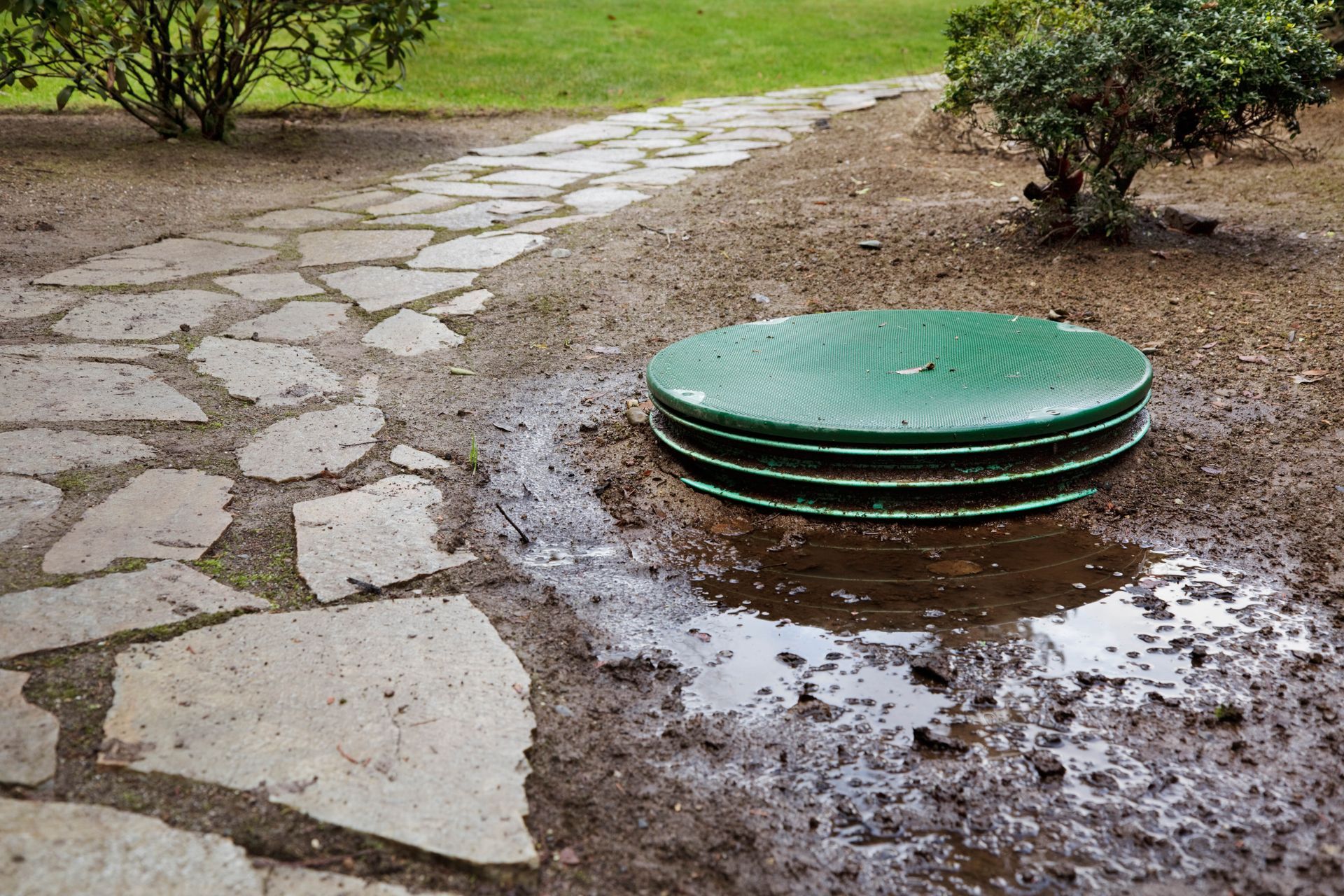
Septic system management can present challenges, with potential issues including clogs, odors, and system backups. Proactive maintenance techniques are essential in addressing these concerns, preventing minor issues from becoming major problems. One common remedy involves routine septic tank pumping to remove accumulated sludge, ensuring the system's capacity to handle incoming effluent. Educating homeowners about the appropriate use of chemical cleaners and the avoidance of non-biodegradable materials greatly aids in minimizing system complications. Effective management, routine maintenance, and homeowner awareness are key to mitigating these challenges, ensuring continuous and efficient system operation.
Innovative Solutions for Difficult Terrains
Septic system installation on difficult terrains, such as rocky, sloped, or clay-rich areas, can pose unique challenges. Innovative design techniques and specialized system components are often necessary to accommodate these conditions. Solutions might include utilizing elevated mound systems or engineered drainfields to ensure adequate effluent distribution and soil infiltration. In extreme cases, alternative systems like aerobic treatment units provide effective solutions for limited site and soil constraints. Tailoring solutions to challenging terrain enhances system performance, making septic systems accessible to a wider range of properties.
Community Education and Engagement
Public education and community engagement play a crucial role in promoting effective septic system management. By raising awareness about proper system maintenance, responsible waste disposal, and environmental conservation, communities can adopt sustainable wastewater treatment practices collectively. Collaborative efforts like educational workshops, informational resources, and community initiatives help increase homeowner understanding and engagement. Building a cohesive community approach to septic system management fosters increased compliance, stronger environmental outcomes, and long-term success.
If your property needs septic system installation services, reach out to our team at Prince Excavation today.