June 18, 2026
When you flush a toilet, run a washing machine, or turn on the kitchen sink, the wastewater goes somewhere. For millions of property owners, that "somewhere" isn't a city sewer line, but an independent, underground treatment plant right on their property. Investing in a new wastewater setup is one of the most critical infrastructure projects a property owner can undertake. It is a major financial investment that directly impacts your property's value, environmental safety, and daily functionality. Whether you are building a new dream home from scratch or replacing an aging, failing infrastructure on an existing property, understanding the mechanics and regulations involved in the setup process is essential. According to the U.S. EPA, more than one out of every five American households relies on localized or small-scale community septic setups to handle their sewage processing. Because so much of the population depends on these systems, modern engineering and local regulations have evolved to make them highly efficient, though remarkably complex to install. In this article, you will learn about the essential steps, regulations, and maintenance requirements involved in a successful septic system installation.
Understanding the Core Components
Before diving into the actual process of a septic system installation, it is vital to understand how these underground utilities operate. A standard setup consists of two primary components: the septic tank and the drainfield (also known as a leach field). These parts work together using a combination of biology and simple gravity to treat wastewater safely before it returns to the local environment.
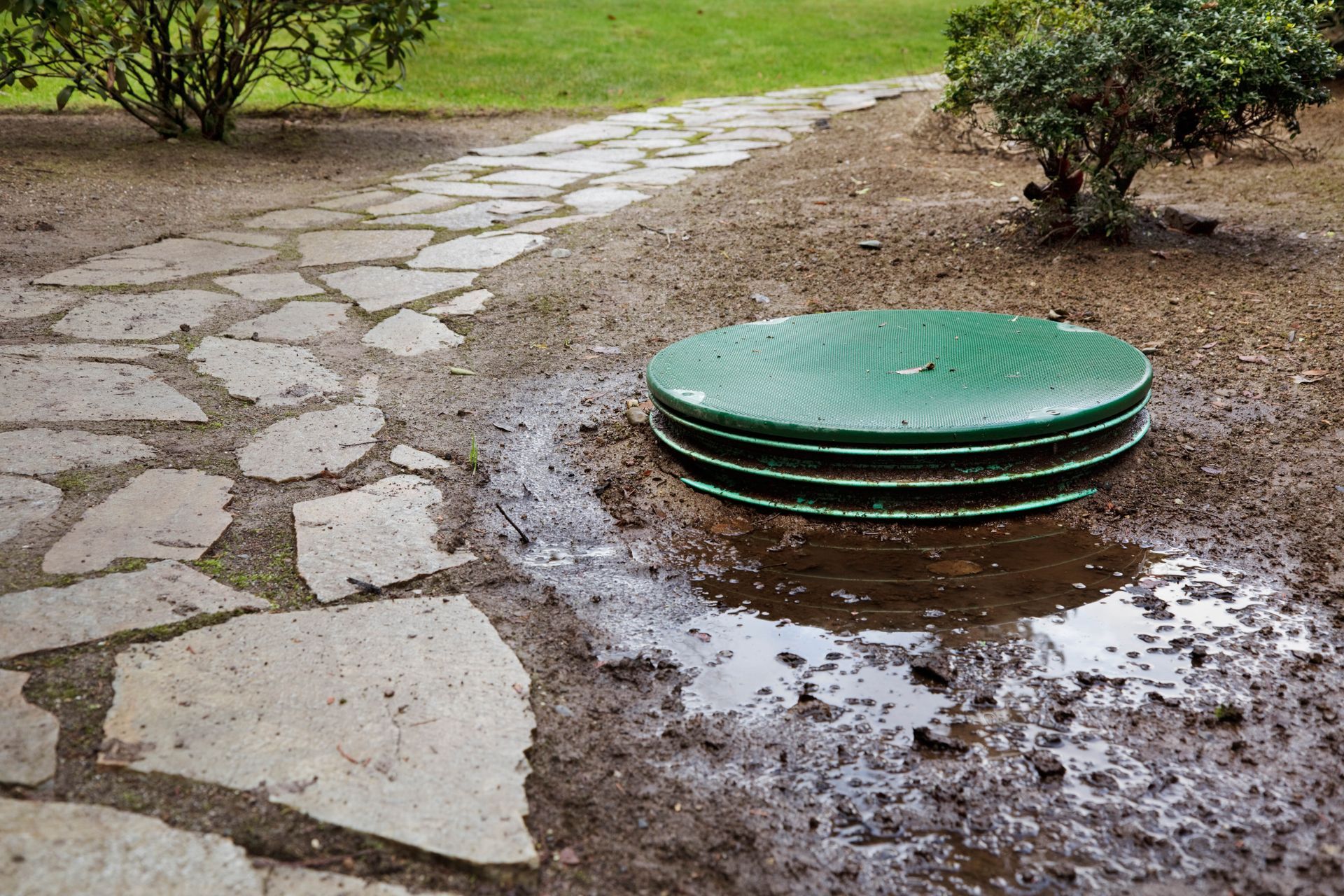
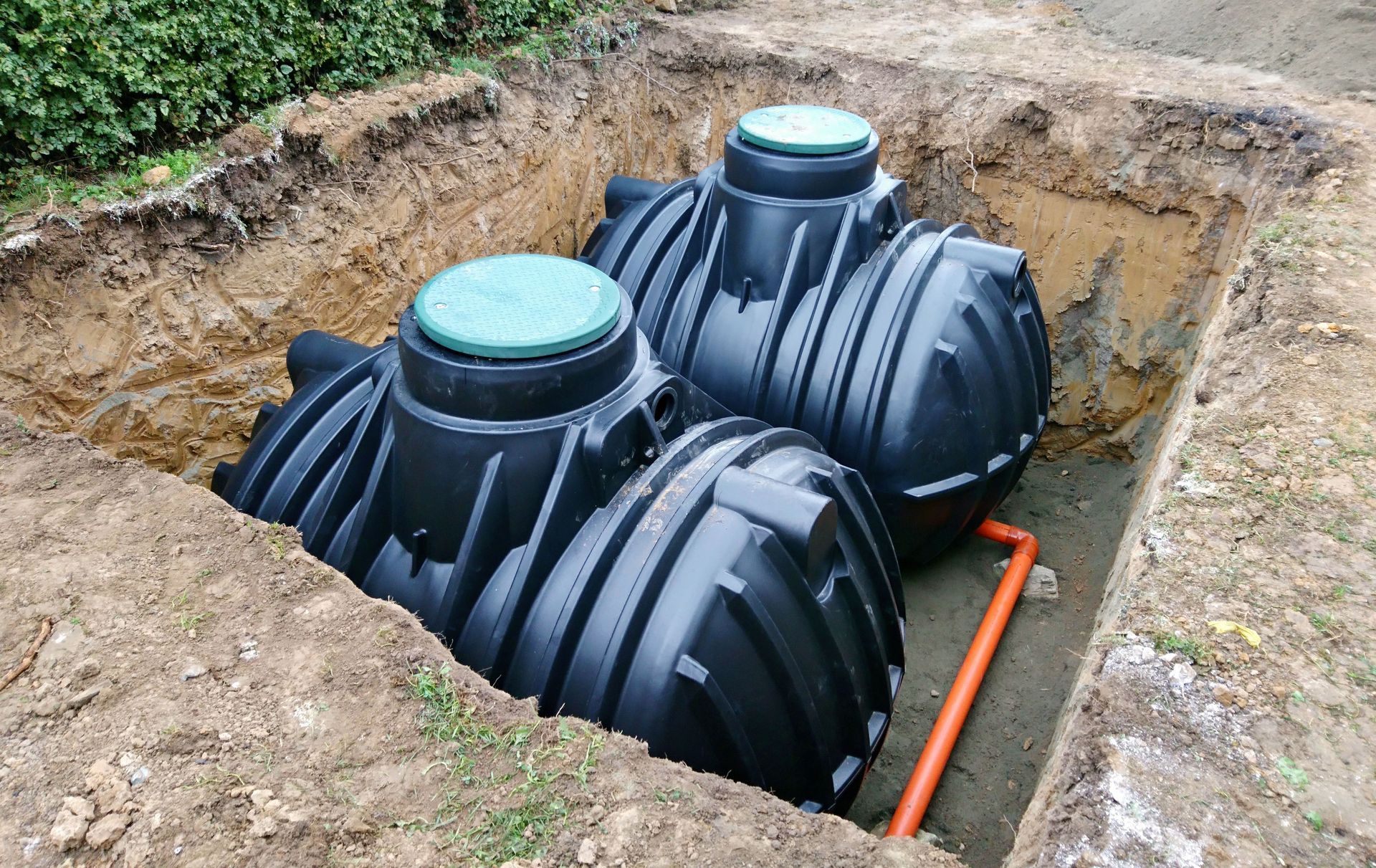
The septic tank is a watertight container buried underground, typically made of concrete, fiberglass, or heavy-duty plastic. When wastewater leaves your home through the main sewer pipe, it empties directly into this tank. Once inside, the waste naturally separates into three distinct layers. Heavy solids sink to the bottom, forming a layer of sludge, while lighter grease, oils, and scum float to the top. The middle layer remains relatively clear water, known as effluent. Inside the tank, naturally occurring anaerobic bacteria go to work, breaking down the solid sludge over time.
The clear effluent in the middle layer eventually flows out of the tank through a series of filters and enters the drainfield. The drainfield is a shallow excavation made in unsaturated soil. It features a network of perforated pipes buried in gravel-filled trenches or specialized chambers. As the effluent slowly drips through these perforations, it filters down through the gravel and soil. The soil acts as a natural biological filter, neutralizing harmful viruses, bacteria, and nutrients before the purified water finally recharges the local groundwater supply.
Evaluating Soil and Site Conditions
You cannot simply dig a hole anywhere you want and drop a tank into the ground. The very first physical step in any septic system installation project is a thorough evaluation of your property's terrain and geology. Because the soil is responsible for the final purification of your household wastewater, its composition dictates exactly what kind of setup your property can handle.
A professional technician or engineer will begin by conducting a professional site assessment and a percolation test, often referred to as a "perc test." The perc test measures how quickly water drains through the soil on your property. If the soil drains too fast (like coarse sand), the wastewater will rush into the groundwater without being fully purified. If it drains too slowly (like heavy clay), the water will back up, puddling on your lawn or flooding your home.
Beyond the perc test, experts look at the overall soil profile by digging a deep test pit. They look for the presence of bedrock and evaluate the local water table level. A standard gravity-led setup requires several feet of unsaturated, high-quality soil beneath the drainfield trenches to treat the effluent effectively. If your property has a high water table, shallow bedrock, or steep slopes, a traditional gravity system won't work. In these challenging environments, alternative setups, such as mound systems, sand filters, or aerobic treatment units (ATUs), must be utilized instead.
Navigating Permits and Local Regulations
A septic system installation is heavily regulated by local, county, and state environmental health departments. You cannot legally begin digging until you have all the necessary permits in hand. These strict regulations exist for a good reason: improperly treated sewage can contaminate local drinking water wells, pollute nearby rivers, and spark public health crises.
The permitting process generally starts with submitting your site evaluation and perc test results to the local health authority, along with a detailed blueprint designed by a licensed professional designer or engineer. This blueprint must outline the exact dimensions, placement, and specifications of your proposed system.
Regulatory bodies enforce strict setback requirements that dictate exactly where your tank and drainfield can be placed. For instance, your drainfield must maintain a minimum distance from property lines, your home's foundation, physical trees, and especially water wells or open bodies of water. Trying to bypass these rules or cutting corners without a permit can lead to massive legal fines, a halted construction project, and the incredibly expensive requirement to tear out and replace unpermitted work.
Executing the Installation Process Step By Step
Once your permits are approved and your budget is set, the actual physical septic system installation can begin. This process requires heavy machinery and must be executed by a licensed, insured excavation contractor who specializes in wastewater infrastructure.
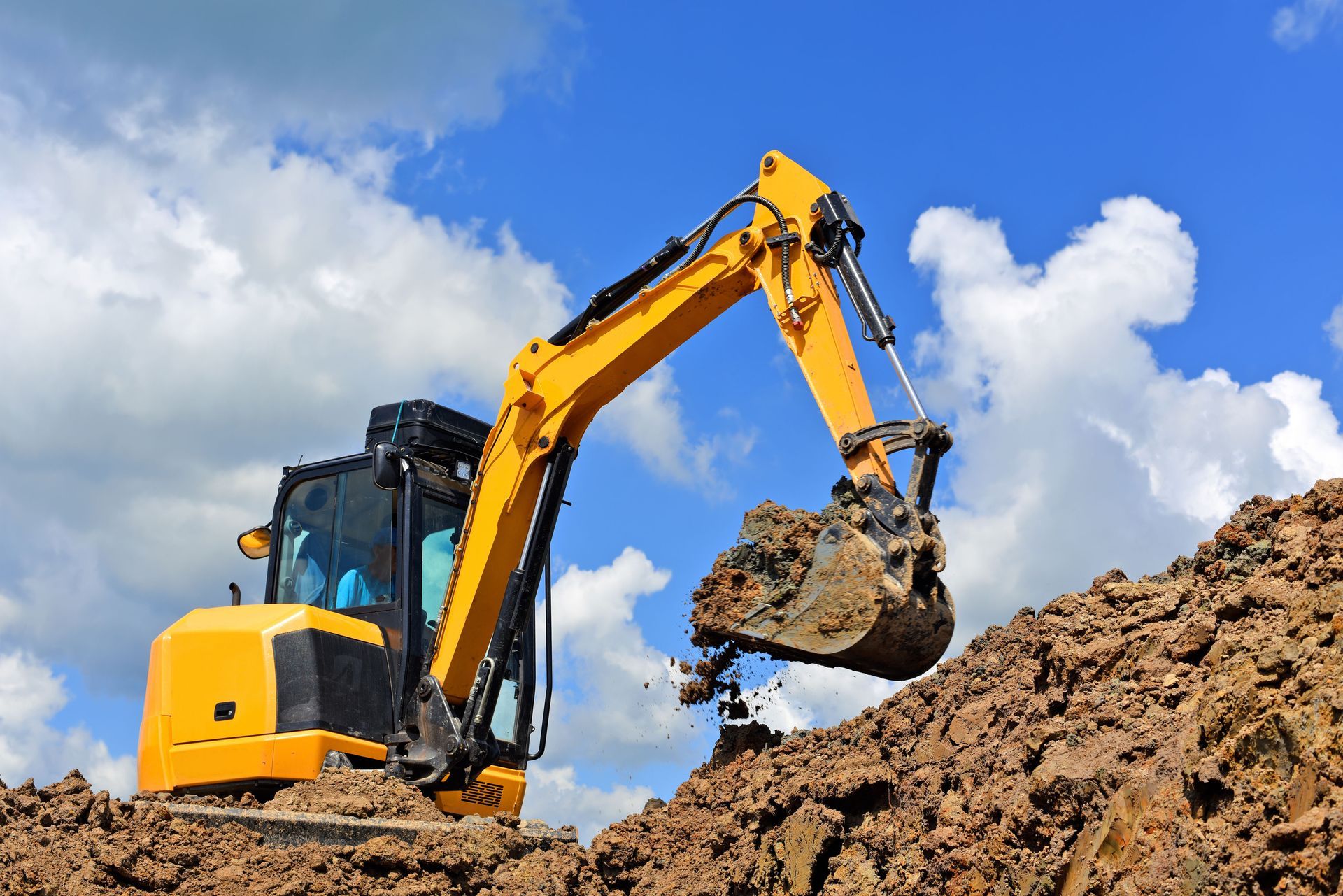
The first step involves clearing the designated area and beginning excavation. Heavy excavators will dig the precise pits for the septic tank and the long, sloping trenches for the drainfield. Precision is absolutely paramount during this phase; gravity systems require exact, subtle downward slopes so that wastewater flows naturally through the system without pooling or running backward toward your home.
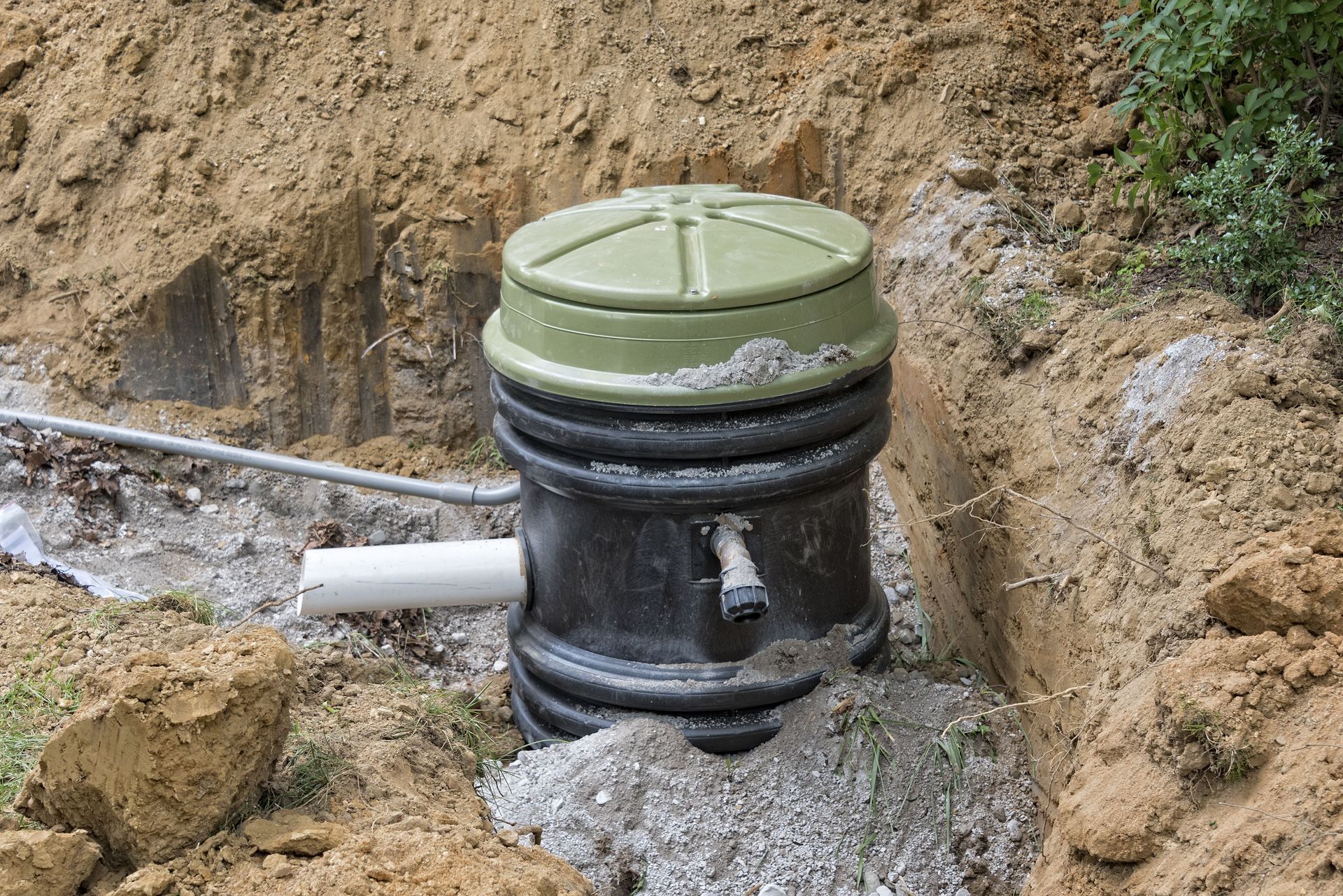
Next, the septic tank is carefully lowered into its excavated pit, perfectly leveled, and backfilled with soil or gravel to stabilize it. The contractor will then lay out the perforated distribution pipes or chambers in the drainfield trenches, connecting them back to the tank via a solid PVC header pipe or a distribution box. Before everything is covered back up with topsoil, a local health department inspector must visit the site to conduct a physical inspection. They will verify that everything matches the approved engineering blueprints exactly. Once approved, the trenches and tank pit are backfilled, smoothed over, and ready for grass seed.
Choosing the Right System Size
Selecting the proper size for your system is critical to its long-term survival. If you install a tank or drainfield that is too small for your household's daily water production, you will quickly overload the system, causing premature structural failure, backups, and expensive headaches.
Interestingly, septic systems are not sized by the square footage of a house, but rather by the number of bedrooms it contains. Local health codes use bedroom counts as an indicator of a home's maximum potential occupancy. Each bedroom is assumed to contribute a specific volume of wastewater per day.
Therefore, a four-bedroom home will require a significantly larger tank and an expansive drainfield compared to a two-bedroom cottage, regardless of how many people are currently living in it. When planning your project, it is smart to think about the future. If you think you might add an extra bedroom onto your house down the road, it is much cheaper to size your septic system installation for that expansion now rather than trying to enlarge a buried system later.
Are you ready to ensure your property's waste management is safe, efficient, and fully compliant with local regulations? Contact Prince Excavation today to schedule your initial site consultation and take the first step toward a flawless, stress-free septic system installation.